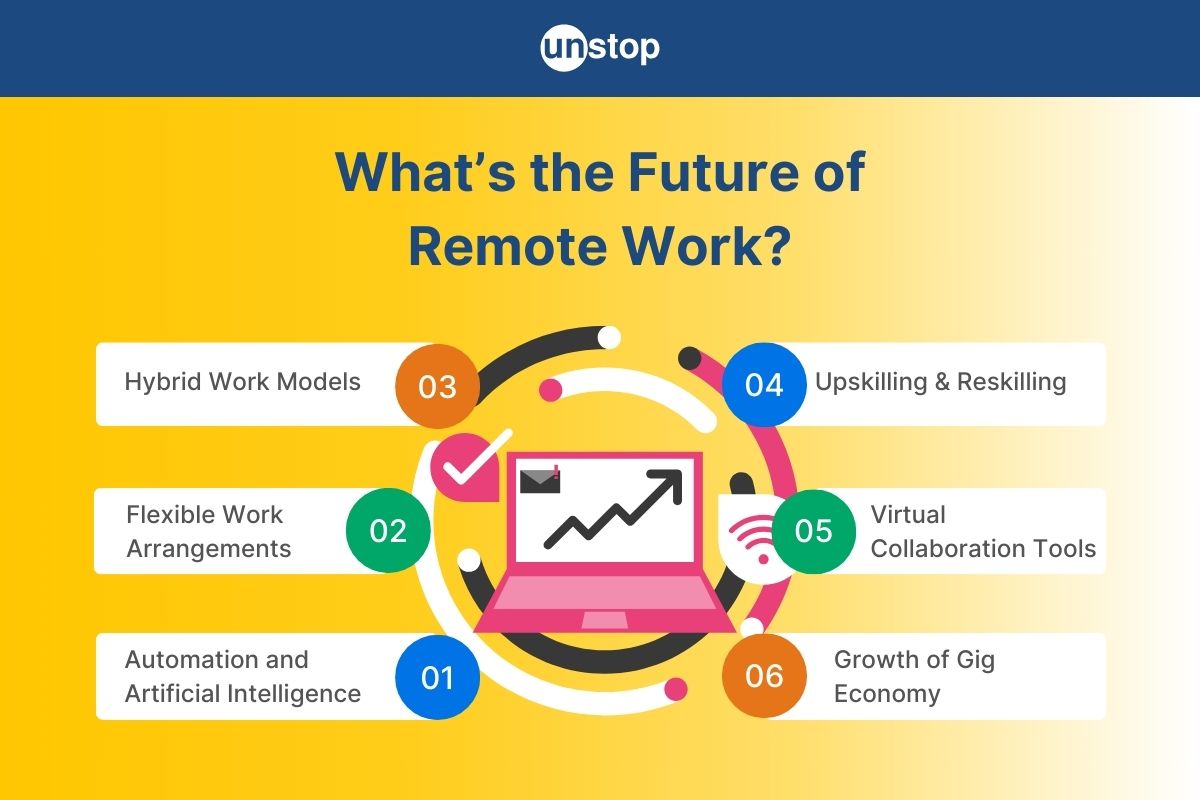
The concept of remote work has been gaining momentum over the past decade, with many experts predicting that it will become the new norm in the not-so-distant future. But are remote jobs really the future of employment? To answer this question, let’s delve into the reasons why remote work is on the rise and explore the benefits and challenges that come with it.
Flexibility and work-life balance are two of the most significant advantages of remote work. Without the constraints of a traditional office environment, remote workers can create their own schedules and work from anywhere, at any time. This flexibility allows them to balance their work and personal life more effectively, leading to increased job satisfaction and reduced stress levels. In fact, a study by Gallup found that 43% of remote workers reported feeling engaged, compared to just 28% of office-based workers.
 Remote Jobs Really the Future?” style=”max-width:80%; height:auto;” />
Recommended for You: Discover
Another significant benefit of remote work is the reduced carbon footprint. With fewer commuters on the road, remote work can help reduce greenhouse gas emissions and mitigate the impact of climate change. Additionally, remote work can also help reduce the need for physical office spaces, resulting in lower overhead costs for companies and a more sustainable future.
However, remote work is not without its challenges. One of the most significant drawbacks is the potential for isolation and loneliness. Without the social interaction and human connection that comes with working in an office, remote workers can often feel disconnected from their colleagues and company culture. To combat this, companies are implementing various strategies, such as virtual team-building activities and regular video conferencing, to keep remote workers engaged and connected.
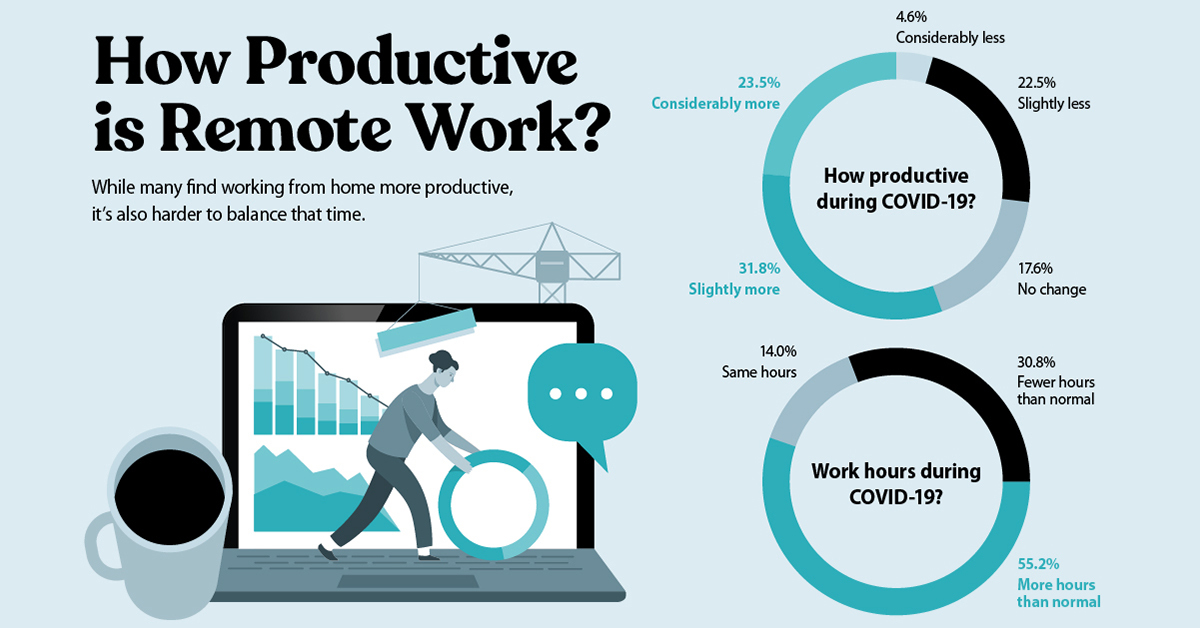
Another challenge facing remote workers is the blurred lines between work and personal life. Without a clear distinction between work and personal space, remote workers can often find themselves working longer hours and experiencing burnout. To avoid this, remote workers must establish clear boundaries and routines, such as designating a specific workspace and setting regular working hours.
 Remote Jobs Really the Future?” style=”max-width:80%; height:auto;” />
In recent years, there have been several developments that suggest remote work is indeed the future of employment. For example, Upwork’s Future of Work Report found that 63% of companies have remote workers, and this number is expected to continue growing in the coming years. Additionally, companies such as Microsoft and Amazon have already implemented remote work policies, with many more expected to follow suit.
Furthermore, the rise of remote work has also led to the development of new industries and job opportunities. For example, virtual event planning and remote IT support are just two examples of new career paths that have emerged as a result of remote work.
In conclusion, while remote work is not without its challenges, the benefits and advantages it offers make it an attractive option for many employees and companies. As technology continues to evolve and improve, it’s likely that remote work will become an increasingly important part of the modern workforce. Whether or not remote jobs are really the future of employment remains to be seen, but one thing is certain – remote work is here to stay.