As we navigate the realm of modern technology, a fascinating innovation has been gaining momentum, poised to transform the fabric of our daily lives – Smart Glass. Also known as switchable glass, this cutting-edge material has the remarkable ability to change its transparency, reflectivity, and even color in response to various stimuli. With its potential to redefine the boundaries of architecture, transportation, and even healthcare, it’s essential to delve into the realm of Smart Glass and explore its vast possibilities.
In terms of its functionality, Smart Glass is based on the principle of electrochromism” target=”_blank” rel=”noopener noreferrer”>electrochromism, which involves the application of an electric current to alter the material’s properties. This is achieved through the integration of various components, including electrodes, an ion conductor, and an electrochromic material. When an electric potential is applied, ions move through the conductor, resulting in the alteration of the electrochromic material‘s optical properties. This phenomenon allows Smart Glass to transition from a transparent to an opaque state, or even display a range of colors and shades.

Recommended for You: Read More
The implications of this technology are far-reaching, with potential applications in various sectors. One of the most significant advantages of Smart Glass lies in its ability to regulate the amount of sunlight that enters a building. By adjusting its opacity, Smart Glass can reduce the need for air conditioning and artificial lighting, resulting in substantial energy savings and a decreased carbon footprint. Moreover, its ability to provide instant privacy and UV filtering capabilities makes it an attractive solution for residential and commercial spaces.
In the realm of transportation industry, Smart Glass is expected to revolutionize the way we travel. Imagine a scenario where the windows of your car or airplane can transition from clear to opaque at the touch of a button, providing instant privacy and relief from harsh sunlight. Furthermore, Smart Glass can also be integrated with advanced sensors and AI technology to enhance safety and navigation. For instance, it can detect potential hazards on the road and alert the driver, or provide real-time traffic updates and navigation assistance.
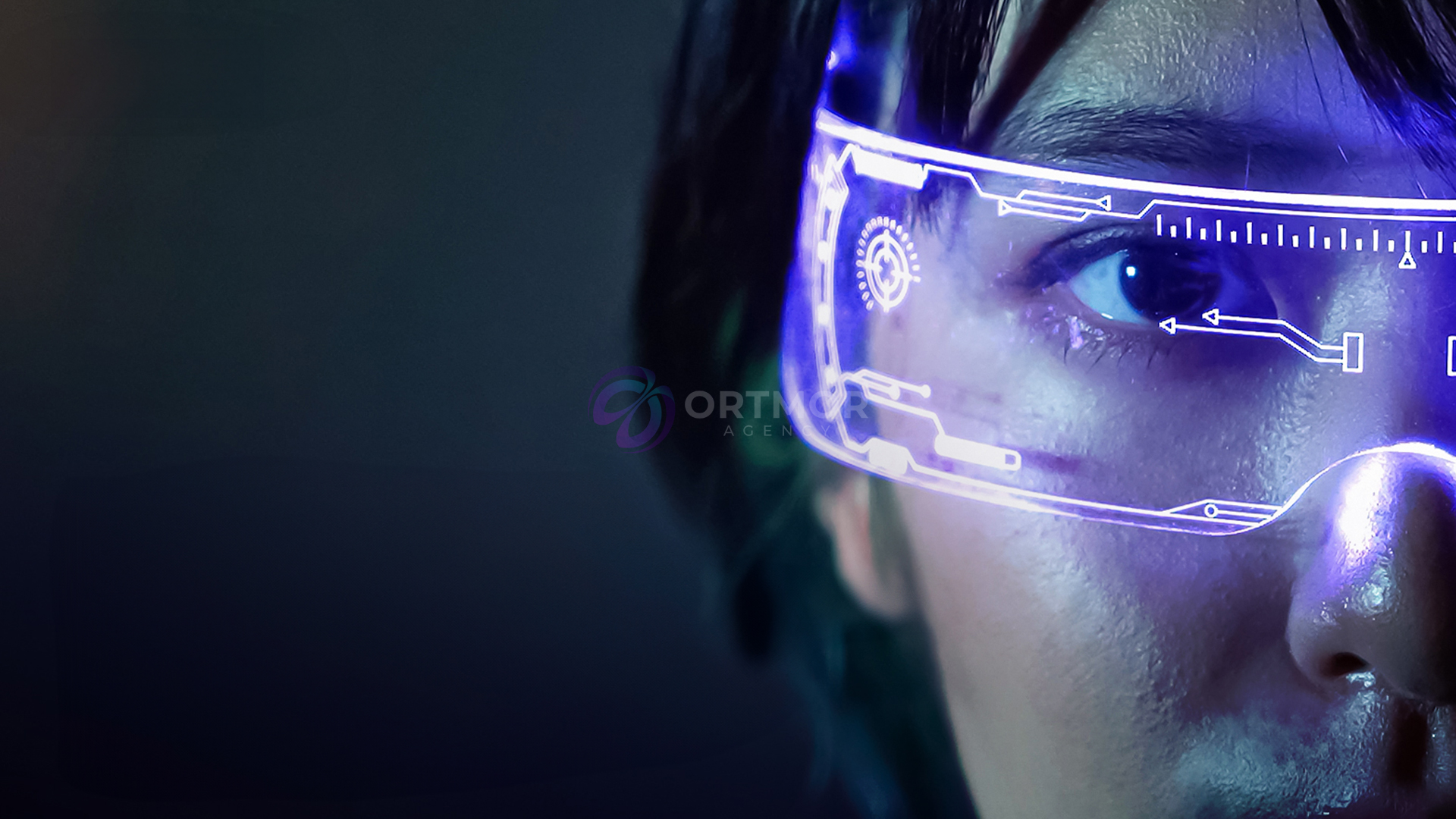
Another area where Smart Glass is poised to make a significant impact is in the healthcare sector. In hospitals, Smart Glass can be used to create private rooms and isolation areas, minimizing the risk of infection and promoting a more comfortable environment. Additionally, Smart Glass can be integrated with advanced medical imaging technology to provide real-time monitoring and enhance patient care. For instance, it can be used to display vital signs and medical information, allowing healthcare professionals to make more informed decisions.
As we look to the future, it’s clear that Smart Glass has the potential to transform numerous aspects of our lives. With ongoing advancements in materials science and nanotechnology, we can expect to see even more sophisticated and efficient forms of Smart Glass. Imagine a world where buildings, vehicles, and even wearables are equipped with adaptive, responsive, and intelligent materials that can enhance our daily experiences. The possibilities are endless, and as we continue to push the boundaries of innovation, we can expect to see Smart Glass play an increasingly prominent role in shaping our world.
In conclusion, Smart Glass represents a remarkable fusion of technology and innovation, with far-reaching potential to transform various aspects of our lives. As we move forward, it will be exciting to witness the ways in which this technology will evolve and adapt, ultimately redefining the possibilities of the future.