

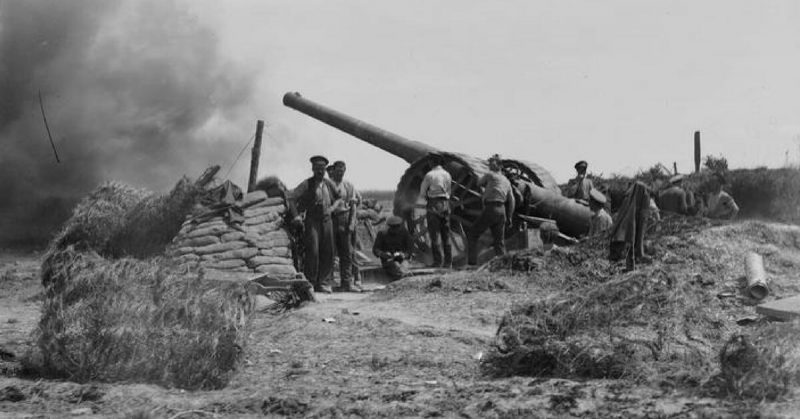
The First World War, also known as the Great War, was a global conflict that lasted from 1914 to 1918. It was one of the deadliest conflicts in history, with over 37 million casualties, including both military and civilian losses. But what was the meaning of this devastating war? Was it just a senseless slaughter, or did it have a deeper significance?
According to the Jacobin magazine, the First World War was a struggle between different imperialist powers for dominance and control over resources. The war was a clash of rival capitalist empires, each seeking to expand its territory, markets, and influence. The main belligerents – Germany, Britain, France, and Austria-Hungary – were all driven by a desire to increase their power and wealth. They saw the war as an opportunity to gain an advantage over their rivals and secure their position as a dominant world power.
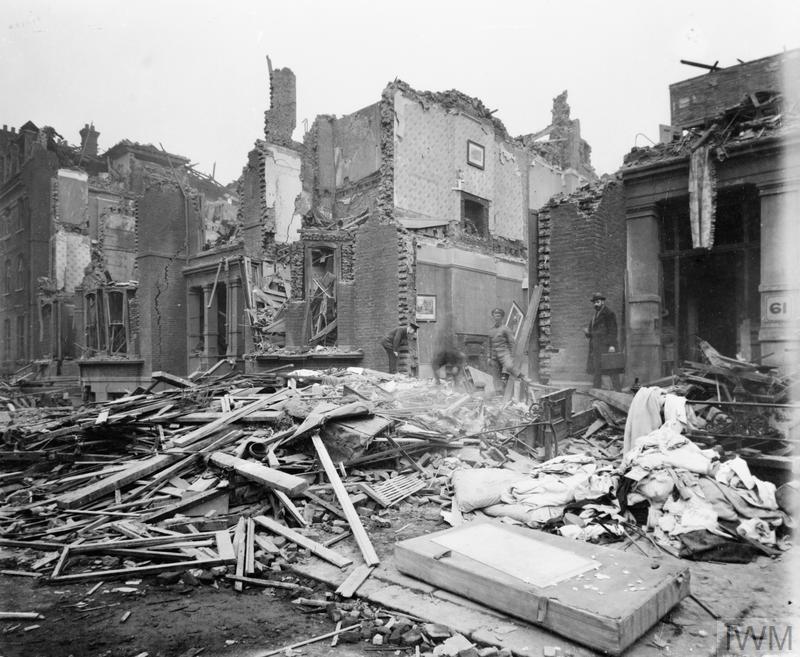
One of the key factors that led to the outbreak of war was the complex system of alliances that existed in Europe at the time. The Triple Entente, consisting of France, Britain, and Russia, faced off against the Triple Alliance, comprising Germany, Austria-Hungary, and Italy. When Austria-Hungary declared war on Serbia in response to the assassination of Archduke Franz Ferdinand, the complex web of alliances drew in more and more countries, eventually leading to the outbreak of a global conflict.
Another important factor was the rise of nationalism, which had been growing in strength across Europe in the decades leading up to the war. Nationalism created an atmosphere of intense rivalry and competition between nations, making war almost inevitable. As each nation sought to assert its dominance and protect its interests, the tensions between them continued to escalate, ultimately leading to the outbreak of war.
In addition to these factors, the war was also driven by a desire for colonial expansion and control over resources. The scramble for Africa, which had begun in the late 19th century, had created a situation in which European powers were competing for control over colonies and resources. Germany, in particular, was seeking to expand its colonial empire and challenge the dominance of Britain and France. The war provided an opportunity for Germany to achieve its goals and become a major world power.
In conclusion, the meaning of the First World War was a complex and multifaceted phenomenon. It was a war driven by a combination of imperialist, nationalist, and economic factors, which eventually led to the devastation and loss of life that we remember today. As we reflect on the significance of this conflict, we are reminded of the dangers of unchecked nationalism, imperialism, and the pursuit of power and wealth at any cost. By learning from the past, we can work towards creating a more peaceful and equitable world for future generations.